Imagine starting each day easily and without unnecessary stress for the body. I will help you choose simple natural remedies that are easy to add to your diet to feel more energy, cheerfulness and comfort every day. No complicated rules and unnecessary restrictions - just small steps for big results.
THIS INFORMATION IS FOR INFORMATIONAL PURPOSES ONLY. BEFORE CHANGING YOUR DIET OR ADDING NEW SUPPLEMENTS, YOU SHOULD CONSULT A SPECIALIST.
A nutritionist who listens
Hello! I’m Adrian Seta, a nutritionist who helps people find simple and natural ways to maintain energy, comfort, and harmony every day. My goal is not to create complicated schemes or strict rules, but to provide small but effective steps that are easy to fit into your daily routine.
I believe that every body is unique, and what works for one person may not always work for another. That’s why I always take your lifestyle, habits, and individual needs into account when choosing recommendations that really help you feel better.
Small changes that you can feel every day
Sometimes it takes just a few simple steps to make your day easier and brighter. Here are some ways to start today:
Morning Charge
Start your day easy - natural remedies help you feel more energy without unnecessary stress.
Smile all day long
Natural solutions that support a good mood and help maintain harmony in your routine.
Effortless Movement
Small steps for comfort in movement and ease in daily activities.
Self-Care
A simple addition to your diet that helps you feel better and more confident every day.
Simple steps for daily comfort
Sometimes it’s the little changes that make your day easier and more enjoyable. Adrian Seth’s natural solutions and personal recommendations fit easily into your diet, helping you feel more energetic, light in movement and in harmony without unnecessary complications.
You don’t have to do everything at once – just a few simple steps are enough to notice the difference. Every day your body receives support that is easy to integrate into your usual rhythm of life. It’s about comfort, balance and a sense of control over your daily well-being.
A selection of natural solutions for daily comfort
Megamove for light and mobile joints
As a nutritionist, I often see people underestimate how important it is to support their joints every day. Megamove is a small but powerful ally for your joints. By adding it to your diet, you help maintain lightness of movement, comfort in the body and a sense of freedom in every step.
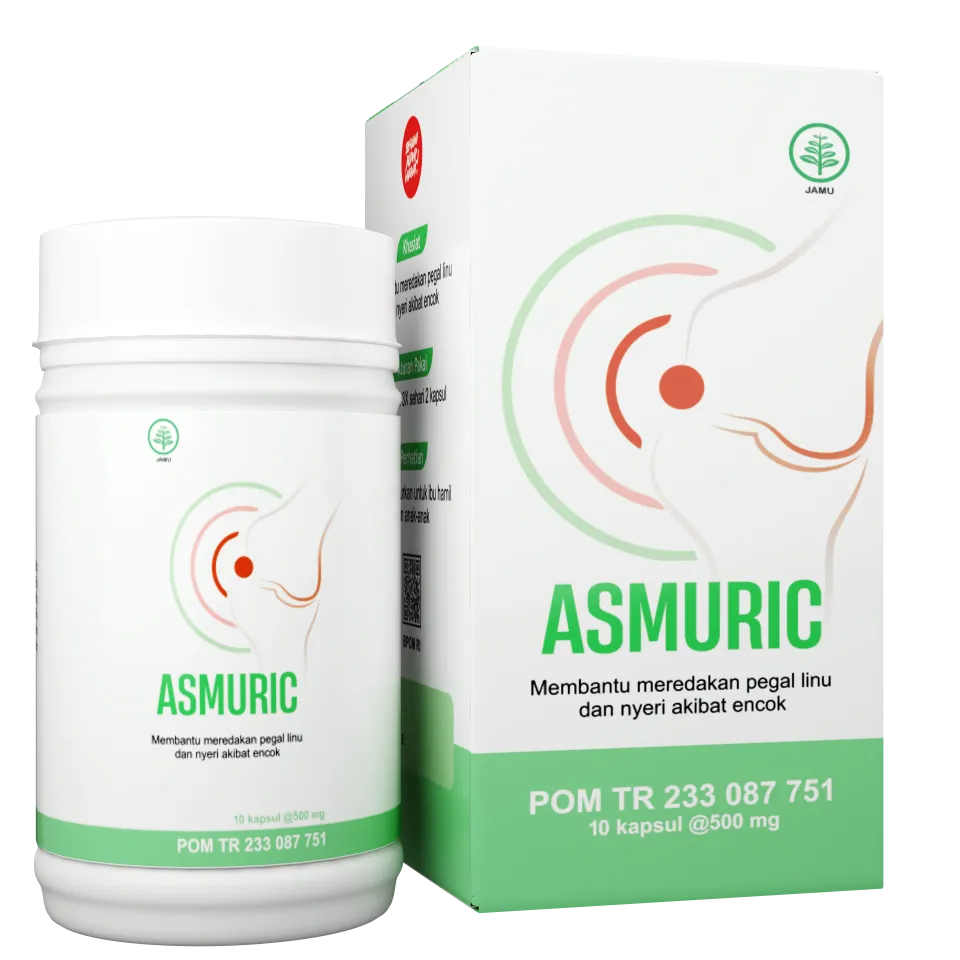
Asmuric for active and healthy joints
As a nutritionist, I always emphasize that joint support is important at any age. Asmuric contains natural ingredients that help maintain joint mobility and comfort every day. By adding it to your diet, you help your joints stay strong and energetic so that every day is active and without limitations.
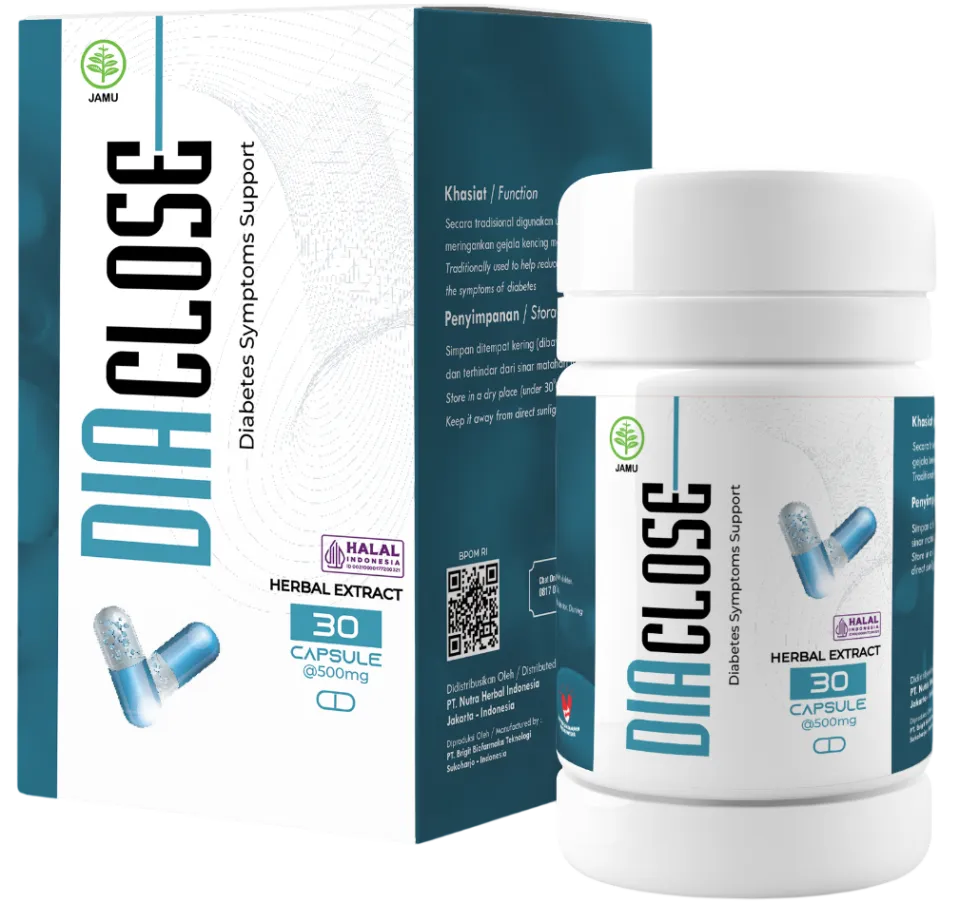
Diaclose for harmony in diabetes
As a nutritionist, I recommend taking care of your body every day, especially if you are monitoring your sugar levels. Diaclose contains natural ingredients that help maintain balance and energy without overloading the body. By making it part of your diet, you are taking a small but important step towards an easier and more balanced day with diabetes.
Healthpeak for Men's Health
As a nutritionist, I recommend paying attention to daily maintenance of men's health, especially if there is a risk or manifestations of prostatitis. Healthpeak contains natural ingredients that help maintain prostate comfort and health, maintaining confidence and activity in everyday life.
Healthpeak to support potency
As a nutritionist, I always recommend taking care of your daily male health. Healthpeak contains natural ingredients that help maintain potency, stay confident, and feel active at any age.
What people say about their results?
"I never thought small changes could make such a difference. After following the nutritionist’s advice and adding the recommended natural supplements to my routine, I feel more energy throughout the day and more ease in my movements. Even my evenings are less tiring, and I can enjoy activities I had almost forgotten about."
Adrian Putra
"At first, I was skeptical, but the guidance from the nutritionist made it simple to start. Adding natural solutions to my daily routine has helped me feel more balanced and comfortable. I notice the difference in my focus, my energy levels, and just feeling lighter and more confident every day."
Bayu Santoso
"I’ve tried different approaches before, but this felt natural and easy to maintain. By taking small steps recommended by the nutritionist, I can move more freely, feel more active, and have a better overall sense of comfort. It’s amazing how simple daily changes can really improve quality of life."
Raka Prasetya
Get personalized recommendations from Adrian
Want to know which natural remedies are right for you? Leave your contact details and Adrian Seta will select simple tips for your diet.